
What are metal dome silicone keypads and how do they differ from PCB contact keypads?
Metal Dome vs PCB Contact Keypads
Complete technical comparison guide for engineers and product designers seeking optimal keypad solutions
Keypad Technology Overview
Selecting the appropriate keypad technology is a critical decision in electronic device design, impacting user experience, durability, and overall product performance. This comprehensive guide compares two predominant technologies: metal dome silicone keypads and PCB contact keypads, providing technical insights for informed decision-making.
Both technologies serve distinct market segments with specific advantages. Metal dome keypads excel in demanding environments requiring high reliability, while PCB contact keypads offer cost-effective solutions for standard applications.
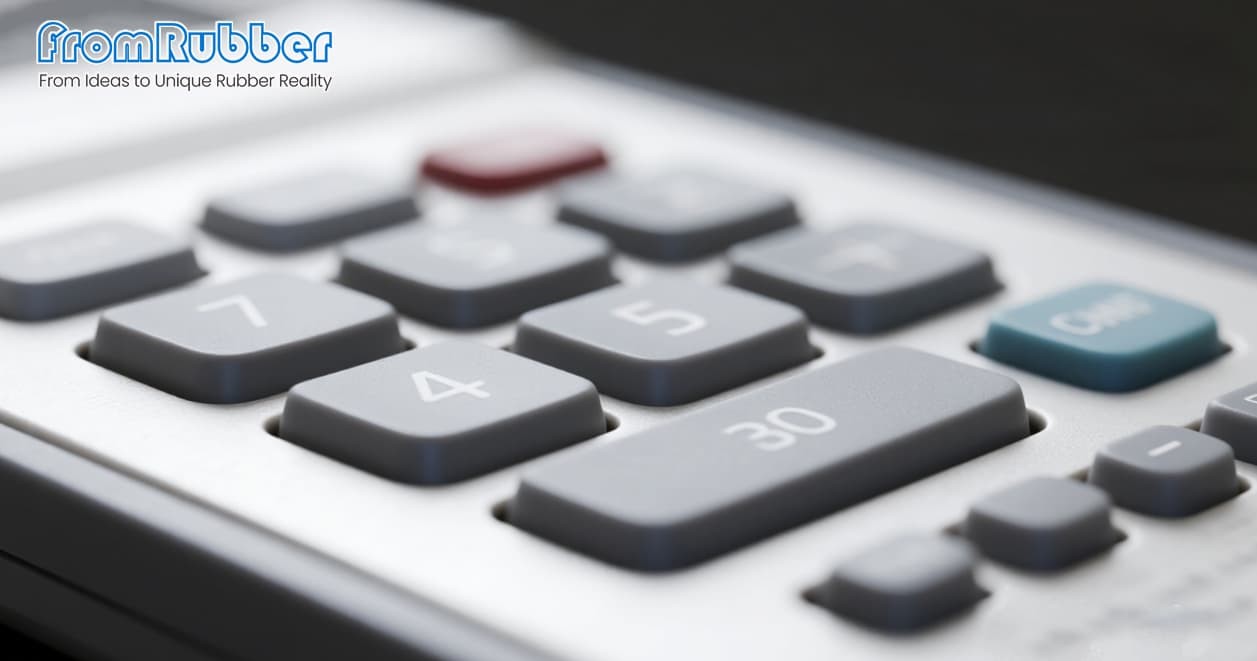
This technology combines stainless steel snap domes with silicone rubber encapsulation. The metal domes provide exceptional tactile feedback, while the silicone offers environmental protection and sealing. Construction typically includes a graphic overlay, silicone spacer with embedded domes, and contact points on a PCB.
When pressed, the stainless steel dome collapses, creating a reliable electrical connection with minimal contact resistance. This design ensures consistent performance across millions of actuations.
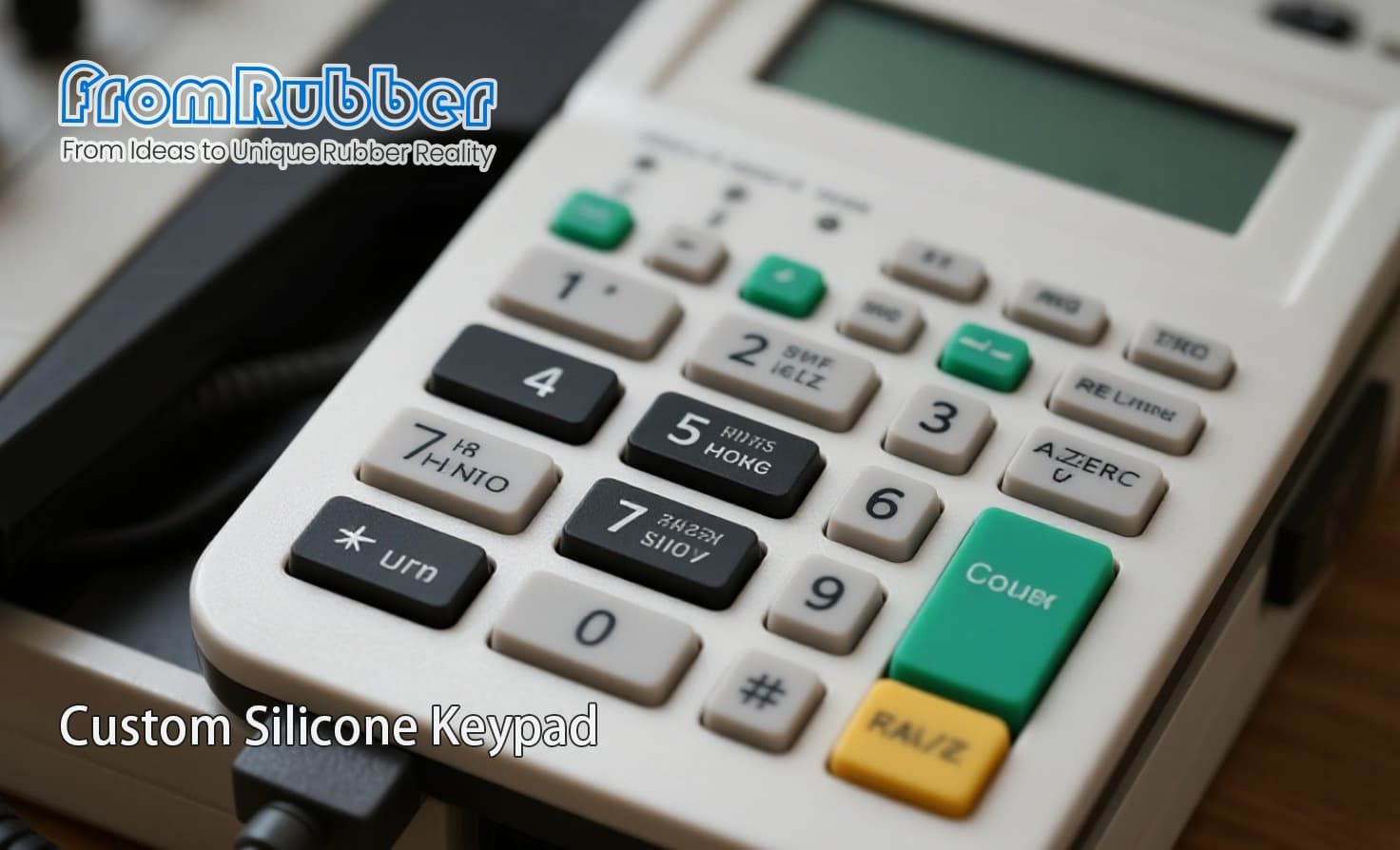
PCB contact keypads utilize direct contact between conductive elements and exposed PCB traces. These keypads typically consist of a flexible membrane or rubber overlay printed with conductive ink (carbon or silver) that makes contact with PCB pads when pressed.
This simplified construction reduces manufacturing costs and allows for greater design flexibility. However, contact resistance is generally higher, and environmental protection is limited unless additional sealing is implemented.
Technical Specifications Comparison
The table below provides a detailed side-by-side comparison of key technical parameters for both keypad technologies, highlighting their distinct characteristics and performance metrics.
| Technical Parameter | Metal Dome Silicone Keypads | PCB Contact Keypads |
|---|---|---|
| Construction Method | Stainless steel domes embedded within silicone rubber matrix with graphic overlay | Membrane or rubber overlay with printed conductive pads contacting PCB traces |
| Tactile Feedback Quality | Excellent - sharp, crisp tactile click with consistent actuation force | Variable - ranges from mushy to moderate depending on materials and design |
| Activation Force Range | 160-350 grams (maintains consistency throughout lifespan) | 50-250 grams (may vary with wear and environmental conditions) |
| Operational Lifespan | 5-10 million actuations per dome (high reliability) | 1-5 million actuations (susceptible to contact wear and oxidation) |
| Environmental Protection | IP67 or higher (silicone provides natural sealing against moisture, dust) | IP40 typical (limited protection unless additional sealing implemented) |
| Contact Resistance | Very low (<100mΩ), remains stable over time and conditions | Higher (100-500Ω), increases with contact wear and oxidation |
| Cost Considerations | Higher initial investment but lower lifetime cost due to durability | Lower initial cost but potentially higher long-term replacement costs |
| Design Flexibility | Moderate - limited by standard dome sizes and placement requirements | High - easily customized to circuit layouts without mechanical constraints |
Key Features & Advantages
Metal Dome Silicone Keypad Advantages
Superior Tactile Experience
Provides consistent, crisp tactile feedback with audible click confirmation for each keypress. This enhances user satisfaction and reduces input errors in critical applications.
Enhanced Durability
Stainless steel domes withstand 5-10 million actuations without significant performance degradation, making them ideal for high-frequency applications.
Environmental Resistance
Silicone rubber naturally resists moisture, dust, chemicals, and UV exposure, allowing for high IP ratings without additional components.
PCB Contact Keypad Advantages
Cost-Effective Solution
Lower manufacturing costs due to simpler construction with fewer components, ideal for cost-sensitive consumer electronics.
Design Flexibility
PCB layouts can be easily modified to accommodate different keypad configurations without retooling mechanical components.
Slim Profile Design
Can be manufactured with minimal thickness requirements, making them suitable for ultra-slim device designs where space is limited.
Industry Applications
Each keypad technology serves specific industry needs based on performance characteristics, environmental requirements, and durability expectations.
Technical Specifications
Detailed performance specifications for both keypad technologies based on industry-standard testing conditions:
Selection Guidelines
Choosing the appropriate keypad technology requires careful consideration of application requirements, environmental conditions, and performance expectations.
Choose Metal Dome When:
- Superior tactile feedback and user experience are critical requirements
- Device will operate in harsh environments with exposure to moisture, dust, or chemicals
- Long product life with minimal maintenance is required (5+ million actuations)
- Consistent actuation force over millions of cycles is necessary for reliable operation
- Application involves medical, industrial, or automotive equipment where reliability is paramount
- Environmental sealing (IP67 or higher) is needed without additional components
Choose PCB Contact When:
- Minimizing cost is the primary concern for the project
- Device will be used in controlled indoor environments without harsh conditions
- Design flexibility and rapid prototyping are important considerations
- Ultra-low profile or slim device design is required
- Application involves consumer electronics with moderate usage expectations
- Quick design iteration cycle with minimal tooling costs is necessary
Hybrid Solutions: For some applications, hybrid solutions combining elements of both technologies may be optimal. For example, using metal domes for critical frequently-used keys and PCB contacts for secondary functions can balance cost and performance requirements effectively.
Need Professional Guidance?
Our engineering team specializes in keypad technology selection and can help you choose the optimal solution for your specific application requirements, environmental conditions, and budget constraints.
Contact us for a free technical consultation, sample evaluation, or custom design proposal tailored to your project needs.
Contact Our Experts Today