
-

Merry Christmas and Spring Festival holiday notice
time2023/12/23
PublisherNani
-

Three surface processes for silicone keyboards
time2024/01/02
Publisherkarl
-

The silicone keypad custom process is seven steps, each with one decision that cannot wait. Where projects actually stall, and how to tell where a programme is by which documents exist rather than what the supplier says.
time2024/01/03
Publisherkarl
-
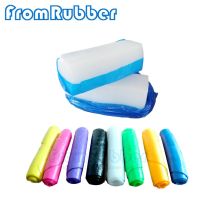
Silicone hardness selection follows three inputs, not a habit: the compression the joint can supply, the force the user can apply and the temperature in service. Why harder rarely fixes a leak.
time2024/01/08
Publisherkarl
-

Flexing web design is where a keypad becomes a mechanism. Clearance, root radius, draft and travel are the four numbers that must appear on the drawing, because they set force, snap and life.
time2024/01/17
Publisherkarl
-

A rubber keypad manufacturer grows either by adding machines or by adding capability, and only the second changes what it can make. How to read a capability claim, and the questions that separate a machine count from a process.
time2024/02/23
Publisherkarl
-

The industries served by silicone keypads are the ones where a glass panel is the wrong interface. Sorting customers by constraint rather than by sector, and what each constraint changes in the specification.
time2024/03/09
Publisherkarl
-

Conductive ink vs contact pill is decided by drift, not by first-press resistance. How the two contact technologies age, what the PCB finish contributes, and the test that belongs in a first-article report.
time2024/03/15
PublisherNani Gui
-

A POS machine keypad replacement hinges on one question: is the keypad inside the terminal's security boundary? What can be remade, what must come from the terminal maker, and which dimensions a replacement has to match.
time2024/03/19
PublisherNani Gui
-

A keypad brief has five sections, and most projects fail in the first email rather than the first mould. What to send about use, interface, feel, legends and volume so two suppliers quote the same thing.
time2024/04/08
Publisherkarl
-

Prototype mold vs production mold is a difference of quantity, not quality: a 150 mm single cavity against a 350 mm plate with fifteen to fifty cavities. What each stage proves, and when skipping the prototype is the right call.
time2024/05/04
Publisherkarl
-

Silicone coasters fail on flatness, rim height and print wear rather than on material. Why large thin parts bow, why the rim is functional, and how to write a flatness tolerance that can be inspected.
time2024/05/14
Publisherkarl
-
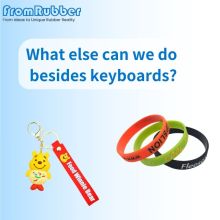
Silicone products beyond keypads share the same three capabilities: a moulded skin, a graphic and a substrate. Which families transfer with almost no new capability, and which need a two-shot tool or an assembly line.
time2024/05/17
Publisherkarl
-

Conductive pills set contact resistance, required press force and the life of the panel, and they are usually specified last. Carbon pill, printed ink and metal dome compared at end of life rather than at first press.
time2024/05/20
Publisherkarl
-
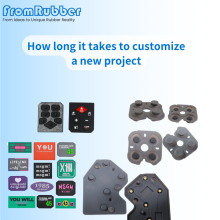
Custom silicone lead time is four intervals, and only two belong to the factory. Separating specification, tooling, sampling and approval is what makes a launch date credible rather than optimistic.
time2024/06/03
Publisherkarl
-
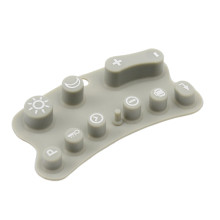
Keypad force and stroke is the only specification that describes how a key feels, and it is usually written as an adjective. What the four key points on the curve mean, and how temperature and mounting shift them.
time2024/06/19
PublisherNani Gui
-
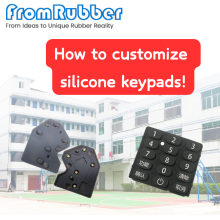
Silicone keypad customization is five choices, not one: key count, legend system, colour, tactile profile and contact method. Why a multilingual pad is quoted on artwork, and why colour is a run rather than a design.
time2024/08/19
Publisherkarl
-
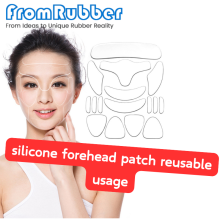
Silicone forehead patches live or die at the edge. Sheet thickness, die-cut quality, release liner and the cleaning method decide whether the third use is as good as the first, and reuse claims should carry a number.
time2024/08/20
-
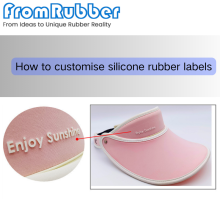
Silicone labels hold an edge embroidery cannot, but the mould decides the design: two colours, minimum stroke width and the attachment route. How heat transfer, sew channel and bar tack change what the label can be.
time2024/09/02
Publisherkarl
-
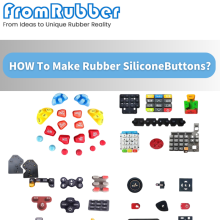
How silicone rubber buttons are made: compound mixing, preform weight, press and cure, deflashing, legend and inspection. Which step causes which defect, and why a hardness change is a process change.
time2024/09/06
-
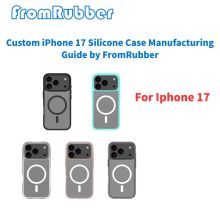
A custom silicone phone case programme is measurement work, not design work. Camera plateau, button relief, port envelope and split line decide fit, and three of the four cannot be taken from a render.
time2025/09/11
Publisherkarl
-
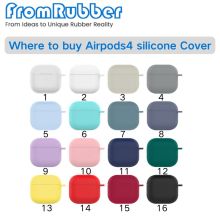
An anti-drop silicone cover is judged on impact where the case lands and on whether the lid still closes. Corner build-up, hinge relief, port clearance and the difference between opaque and transparent silicone.
time2024/09/20
Publisherkarl
-
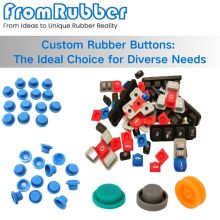
Custom rubber buttons cover switch keys, sealing plugs, bumpers and grommets, and each family is governed by a different dimension. Sorting by function, choosing the compound for the environment, and the test that matches the failure.
time2024/09/23
Publisherkarl
-
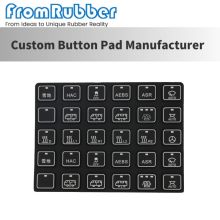
A custom button pad manufacturer is being asked for a tool that holds a web profile, a legend that survives wear, and a stack that lines up with a PCB. What to measure on the first article, and why the housing belongs in the brief.
time2024/10/08
Publisherkarl
-
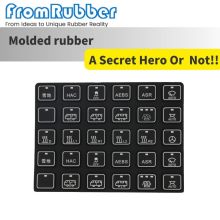
Molded rubber parts are invisible because they absorb tolerance, seal a moving gap or damp a vibration that a rigid part cannot. Sorting the category by function, and the specification each function needs.
time2024/10/14
Publisherkarl
-
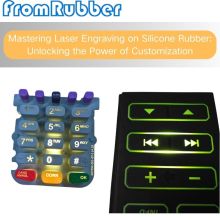
Laser engraving on silicone rubber changes the surface rather than adding ink, which explains the grey mark instead of white, the narrow operating window and why a fixture matters as much as the settings.
time2024/10/23
Publisherkarl
-
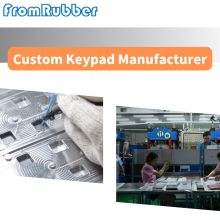
A custom keypad manufacturer is five capabilities, not one: tooling, moulding, decoration, conductive contact and inspection. What to ask, how to read a comparable quote, and what should be in a first article.
time2024/11/14
Publisherkarl
-
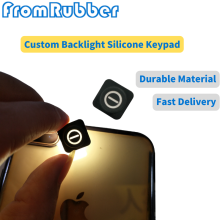
A custom backlit silicone keypad is an optical part with a mechanical job. Compound diffusion, wall thickness over the legend, mask geometry and LED placement decide whether the panel looks engineered or improvised.
time2025/02/20
Publisherkarl
-
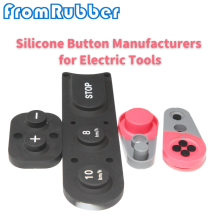
Silicone buttons for electric tools are specified by dust, vibration and gloves rather than by looks. Why the boot is a sealing component first, how force targets change with a gloved hand, and the tests that predict field life.
time2025/02/28
Publisherkarl
-
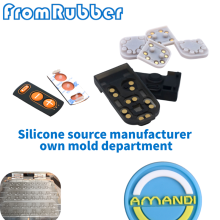
A silicone products manufacturer is worth shortlisting on four things you can check: what it actually moulds, which certificates it holds and what their scope covers, how it handles a first sample, and whether it puts cavity count and minimum order in writing.
time2025/04/16
Publisherkarl
-
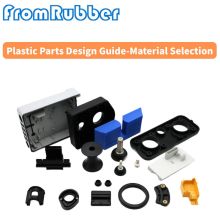
Plastic parts design is one decision made twice: resin choice and wall geometry. A selection matrix by part type, the rules that prevent sink and warp, and which dimensions deserve a tight tolerance.
time2025/05/20
Publisherkarl
-
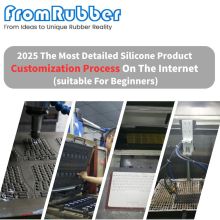
Silicone product customization runs through seven gates, and each asks the customer for a different decision. Where programmes stall, what a real sample approval contains, and why the prototype tool pays for itself.
time2025/05/21
Publisherkarl
-
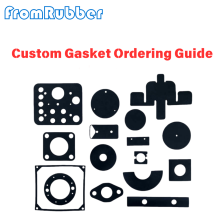
A custom gasket order goes wrong on two things: the drawing never said what the seal faces, or the tolerance was set tighter than the process holds. What to send, how to read the quote, and why compression ratio is always missing.
time2025/06/27
Publisherkarl
-
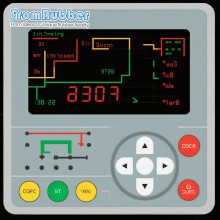
Silicone thin-film switches are a layered stack, not a moulded part. Where the flat construction wins, where a moulded keypad is still the better buy, and the four failures worth designing against.
time2025/07/28
PublisherSuey
-
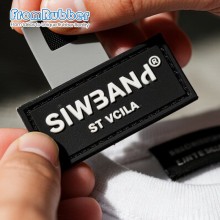
Silicone patches work in fashion where embroidery cannot: hard edges, abrasion resistance and colour depth. How attachment changes between footwear, denim and headwear, and why the wash protocol belongs in the brief.
time2025/08/18
PublisherSuey
-
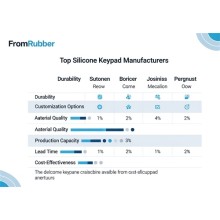
No public benchmark ranks silicone keypad manufacturers, so the useful comparison is evidence: process ownership, tooling, material range, measurement and programme control. How to shortlist three and quote the same drawing.
time2025/08/18
Publisherkarl
-
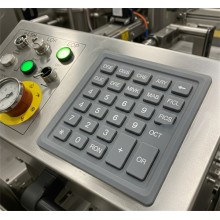
Silicone rubber keypads for industrial applications are specified by gloves, coolant and wash-down rather than by looks. How force, legend durability and perimeter sealing change when the operator wears nitrile for a shift.
time2025/08/19
Publisherkarl
-
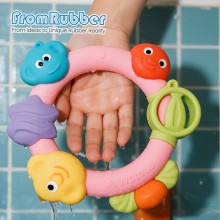
Silicone baby bath toys fail on water traps, not on material. How closed moulding, drainable vents, one-piece construction and colour fastness decide whether a bath toy survives a year in a bathroom.
time2025/08/26
PublisherSuey
-
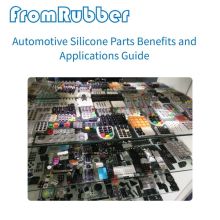
Automotive silicone parts are chosen for what a vehicle does to them: fuel vapour, under-bonnet heat, sun load and compression set. Which parts need fluorosilicone, which need a low-volatile compound, and how to validate each one.
time2025/08/27
Publisherkarl
-
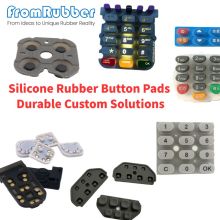
A silicone rubber button pad is one moulding doing four jobs: holding the keys, returning them, closing the circuit and sealing the opening. Why snap comes from the web rather than the compound, and how to specify the conductive path.
time2025/08/29
Publisherkarl