How much does it cost to custom manufacture a silicone rubber keypad?
Keypad pricing is one of the least transparent corners of custom manufacturing — identical drawings routinely receive quotes that differ by 3–5x. The reason is that the quote depends on engineering choices the buyer often cannot see: pill type, printing method, durometer split, venting, and post-cure. Below is the full cost anatomy we use when quoting at FromRubber, with real project numbers.
Cost anatomy: what you are actually paying for
Every custom keypad price has two independent parts. Confusing them is how projects blow their budgets.
1. One-time tooling ($800–$8,000)
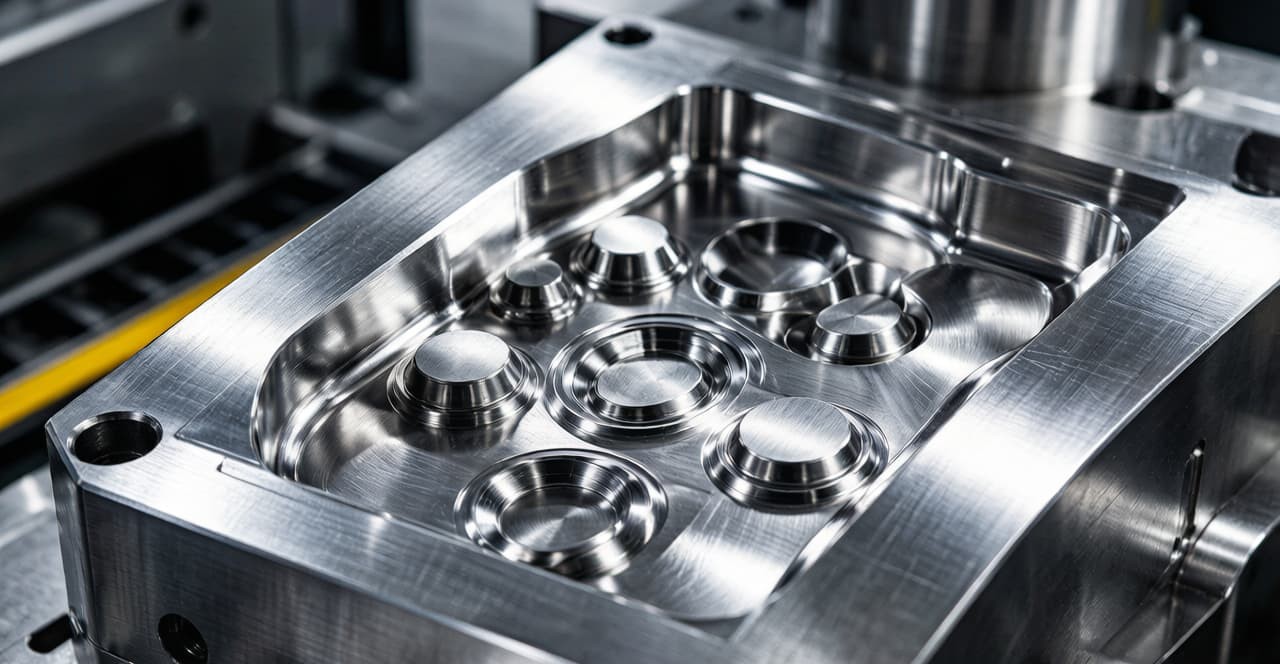
Tooling covers the steel compression mold(s), and its price scales with key count, key pitch, and complexity — not with your order quantity. A single-shot mold for a simple 4-key remote pad sits near the $800–$1,200 end. A 20+ key instrument keypad with tight pitch, two-shot geometry, or laser-etching alignment features moves toward $4,000–$8,000. A well-maintained mold is good for roughly 500,000–1,000,000 shots, so tooling amortizes fast as volume grows.
2. Per-unit price ($0.08–$0.50)

Case study: one drawing, three quotes, and what each actually included
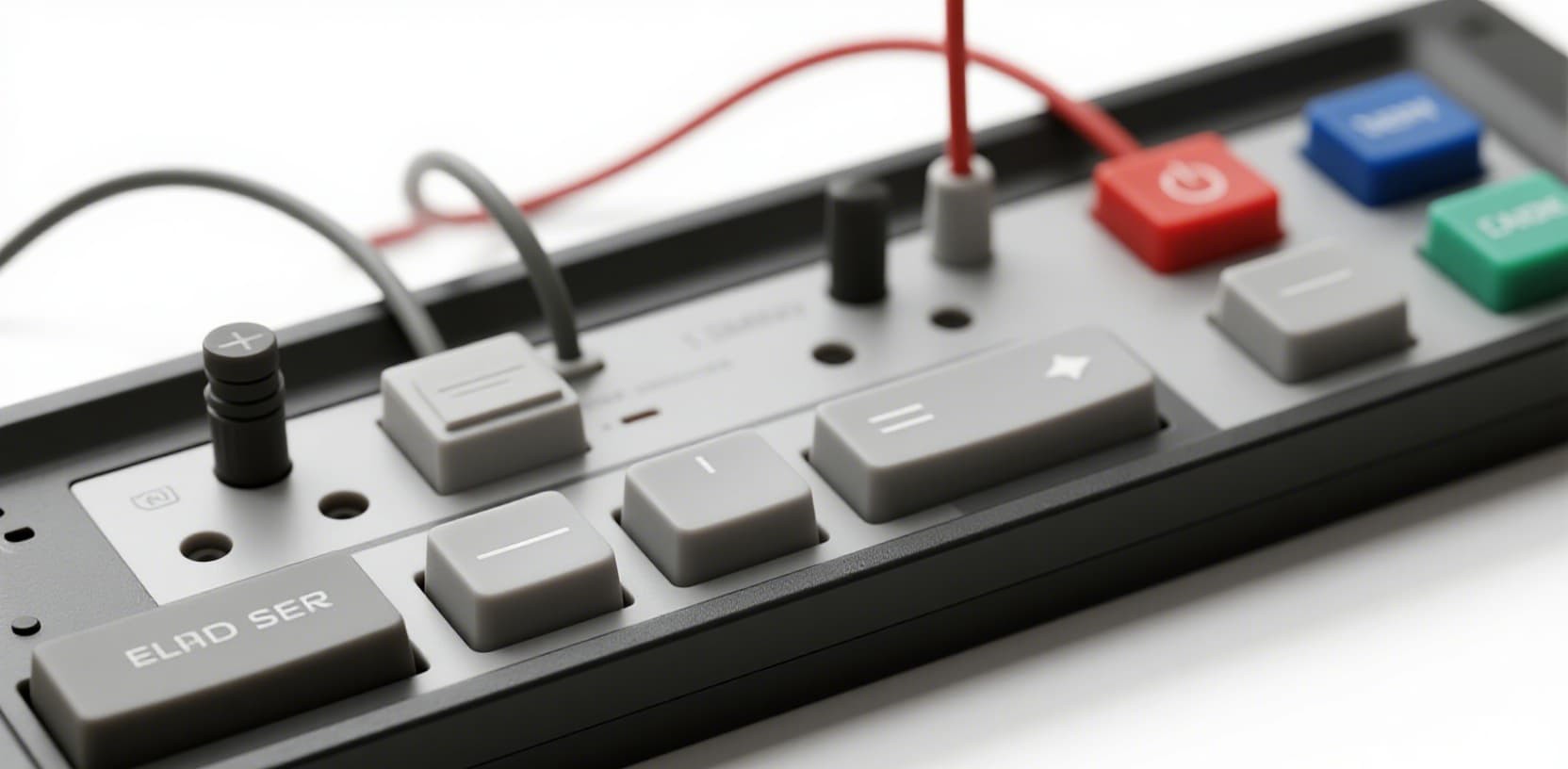
A US IoT device maker sent us a 16-key keypad drawing in 2025 for a smart-home controller. Their existing quotes: $0.12/unit (workshop, silkscreen legends, no post-cure documentation), $0.35/unit (Tier 1 house, 100k MOQ), and our $0.24/unit at 20k volume with a 4-cavity mold at $3,400 tooling.
The workshop quote looked cheapest until you modeled total cost of ownership: their silkscreen legends were rated ~100k abrasion cycles against the client's 300k spec, and the missing post-cure documentation meant no UL approval path. We re-specified laser-etched legends on a translucent keylayer and documented the full post-cure cycle — the product passed UL first time, and the per-unit premium of $0.12 over the workshop quote was less than the projected warranty exposure in the first year.
The data: reference prices by volume and complexity
Reference ranges based on FromRubber project history, 2023–2026. Actual quotes depend on drawing specifics — treat these as sanity-check bands, not offers.
Three ways buyers overpay: ordering 1-cavity tooling for volumes above 20k; specifying medical-grade compound where an industrial grade passes the spec; and re-quoting instead of amortizing — if your mold is paid for, re-orders should cost materially less than the first run.