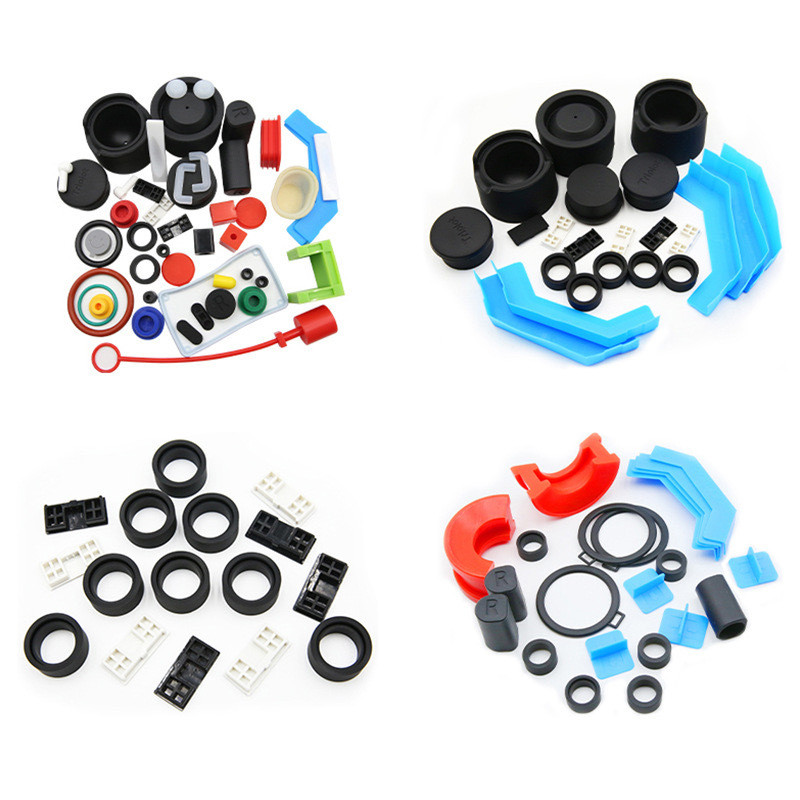
Automotive Silicone Rubber Parts for Extreme Conditions
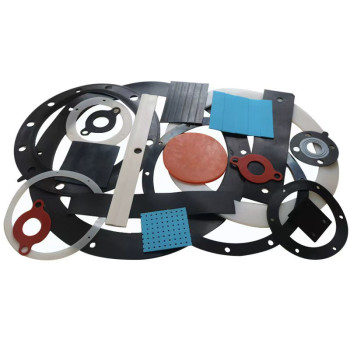


- group name
- Custom Silicone Seals
- Min Order
- 10000 piece
- brand name
- FromRubber Silicone & Plastic OEM Manufacturer
- model
- BH-auto15
- Nearest port for product export
- FOB shenzhen
- Delivery clauses under the trade mode
- FOB, CFR, CIF, EXW, FCA, DDP, Express Delivery
- Acceptable payment methods
- T/T, D/P D/A, Credit Card, PayPal, Westem Union, Cash
- update time
- Fri, 13 Nov 2026 13:18:33 GMT
Paramtents
Product Name Auto Rubber Parts
Material Rubber Silicone
Color Black,Custom
Shape Customise
Service OEM
Features Original Equipment Quality
Sales Method Product custom
Consultation Email Suey@fromrubber.com
Packging & Delivery
-
Min Order10000 piece
Briefing
Detailed
Automotive Silicone Parts / Extreme Duty
Automotive Silicone Rubber Parts for Extreme Conditions: Heat, Cold and Fluid Defined
Automotive silicone rubber parts for extreme conditions are specified by the duty cycle, not by the word extreme. On a vehicle that means four measurable loads: soak heat, cold start, thermal cycling and fluid contact, plus ozone for anything mounted outside the body.
Silicone (VMQ) is the correct answer when heat is the limiting factor and the medium is air, water or a compatible coolant. It is the wrong answer in oil, fuel and abrasion, where EPDM, NBR or FKM do the job. This page sets out the windows we design to, and the questions that decide the compound before a tool is cut.
- -50 to +200 °C
- 0.5 mm walls in LSR
- Low compression set
- FVMQ for fuel mist
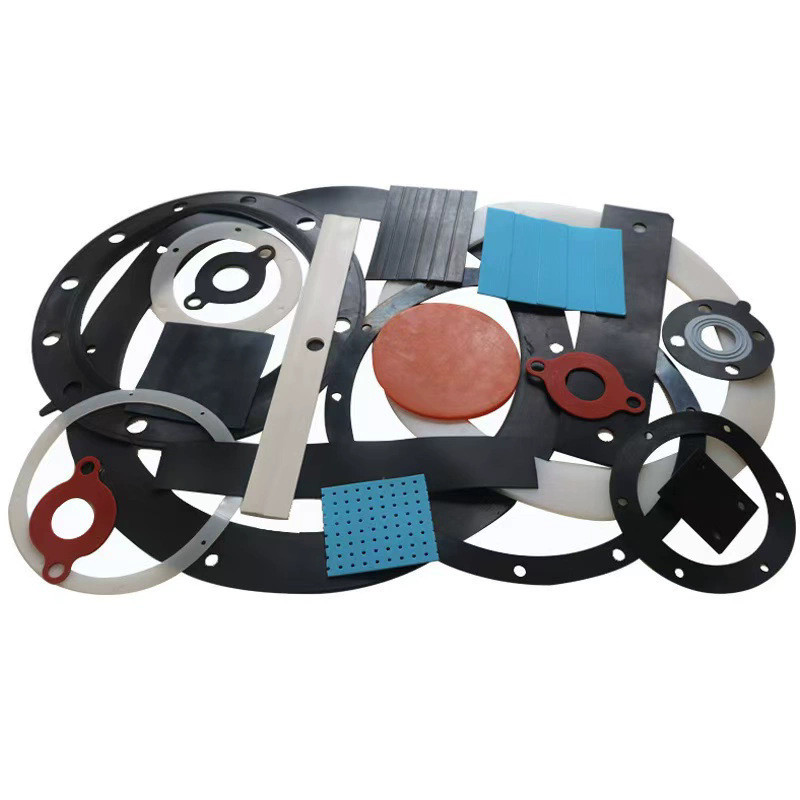
What Extreme Heat, Cold and Ozone Do to Silicone Rubber Parts
The four loads below arrive together in service, but they fail a part in four different ways. Knowing which one dominates is what makes the compound choice defensible.
- 01
Heat ageing hardens before it cracks
Above roughly 200 °C continuous, VMQ begins to lose elongation. The part stiffens, compression set climbs, and a seal that held at room temperature stops following the flange. The first symptom is a leak on cool-down, not a visible crack.
- 02
Cold stiffens without warning
Silicone keeps flexibility far below zero, which is why it survives cold-start duty where NR or NBR reach their glass transition. The trade-off is low tear strength once cold, so thin lips need radii rather than sharp edges.
- 03
Ozone and UV attack the surface under strain
Ozone cracking appears first where the rubber is stretched around a connector or a tight radius. Silicone resists better than NR or NBR but not as well as EPDM in continuous outdoor exposure, so exterior trims are usually EPDM.
- 04
Fluids decide more than temperature
Silicone swells in many hydrocarbon oils and fuels. A part that passes a heat test can fail a fluid immersion test inside a week, which is why FVMQ (fluorosilicone) exists for fuel and oil mist at temperature.
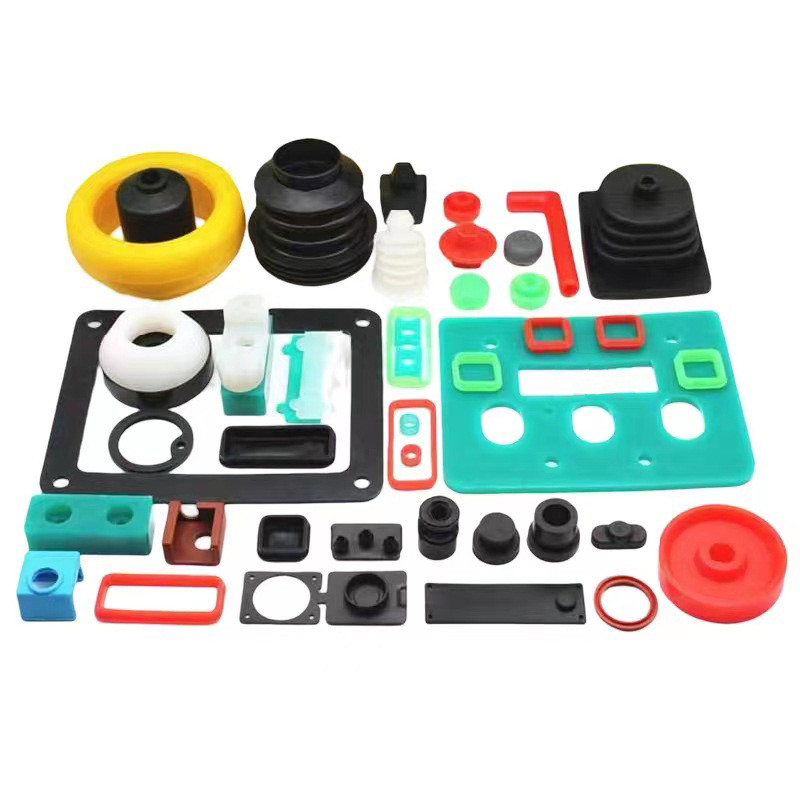
Automotive Silicone Rubber Parts: Specification Windows
| Property | Typical window | Where it bites in service |
|---|---|---|
| Continuous service temperature | VMQ about -50 to +200 °C, brief excursions higher | Set by the cool-down leak, not by the peak number |
| Compression set | Low-set grades for static seals; verify after heat ageing | A seal that takes a set leaks after the first thermal cycle |
| Tear strength | Lower than NR or EPDM; geometry has to compensate | Thin lips tear during demoulding or fitment |
| Fluid contact | Air, water and brake glycol compatible; many oils and fuels are not | Swelling shows up as a soft, weeping part |
| Hardness | 30-70 Shore A typical for automotive silicone parts | Soft grades seal at low force and wear faster |
| Wall section | 0.5-1.5 mm in LSR, thicker in compression molding | Below 0.5 mm, flash and tear dominate the tolerance |
Windows are design guidance for review. Final values come from the compound TDS and first-article measurement, and any critical property is verified on the aged part rather than on a virgin sample.
Silicone Grades for High-Temperature Automotive Parts
Four families cover most extreme-duty work. The choice is made by the fluid and the section, then confirmed by ageing data.
- 01
Standard VMQ
Air ducts, boots, connector seals and heat shields where the medium is air and temperature stays under about 200 °C.
- 02
High-tear VMQ
Thin lips and hand-assembled parts where standard silicone tears on the mandrel or during fitment.
- 03
FVMQ, fluorosilicone
Where fuel or oil mist meets heat; the fluorinated side chain resists swelling that plain silicone cannot.
- 04
Low-compression-set grades
Static seals under bolt load where recovery after cycling matters more than elongation at break.
Parts that also have to survive sunlight and ozone are compared in non-yellowing silicone seals with UV and ozone stability.
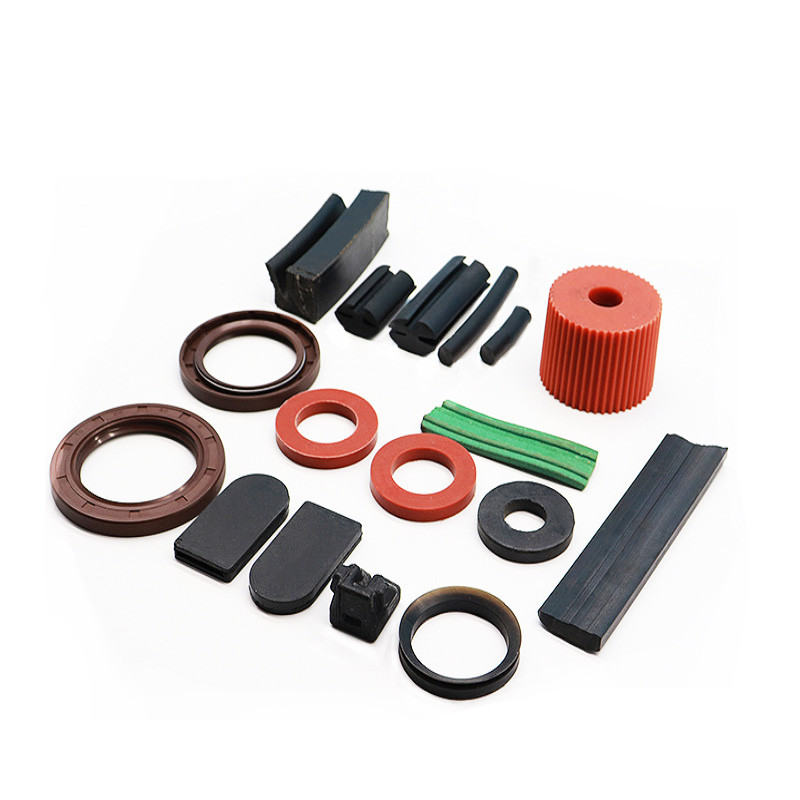
Moulding Control for Extreme-Condition Silicone Rubber Parts
Extreme-condition parts are usually thin, and thin silicone is where tooling tolerance and cure control show first. A 0.5 mm wall cannot compensate for a cold cavity or a short cure.
We mold under IATF 16949 and ISO 9001 quality systems with ISO 14001 environmental management. Batches are checked for hardness, key dimensions and compression set after ageing rather than at room temperature only, and cavity identity is retained so a drift in one cavity is visible before it reaches the assembly line.
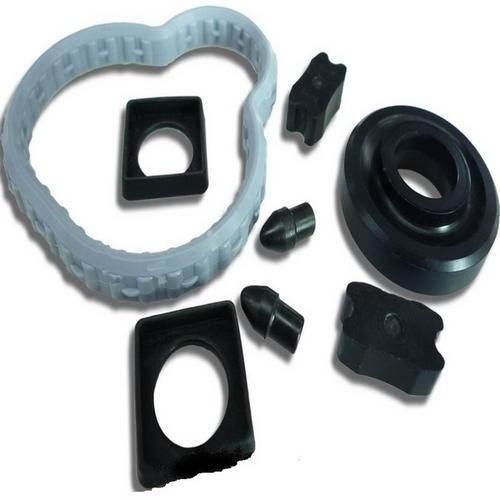
From Duty Cycle to Serial Automotive Silicone Parts in Four Steps
The sequence is set by one rule: the compound is chosen from the duty cycle, never from the drawing alone.
Send the duty cycle
Mounting zone, soak temperature, cycle count, fluids and how the part is assembled.
Compound and geometry review
We confirm the silicone family, hardness and wall sections that survive the cycle, and say so when a different elastomer is the honest answer.
Prototype and ageing check
Single-cavity tool, samples checked for fit and for compression set after heat ageing, not only at 23 °C.
Production with reports
Production tool, first article, batch hardness and dimensions, with cavity traceability through the run.
Automotive Silicone Rubber Parts FAQ
The four questions that come up in almost every extreme-condition inquiry.
What temperature can automotive silicone rubber parts take?
Standard VMQ runs to about 200 °C continuous with brief excursions above that. The practical limit is usually compression set after cycling, so specify the duty cycle rather than a single peak temperature.
Is silicone suitable for engine oil or fuel contact?
Usually not. VMQ swells in many hydrocarbon oils and fuels. Use FKM, FVMQ or NBR depending on temperature, and confirm against the actual fluid rather than a family name.
Why do silicone parts crack outdoors?
Ozone and UV attack the surface where it is under strain. EPDM is more resistant for continuous outdoor exposure; silicone is chosen when temperature, not weather, is the limiting factor.
Can you mold thin-wall silicone parts?
Yes, down to about 0.5 mm walls in LSR or high-consistency silicone, with the practical minimum set by tear strength and demoulding rather than by the mould itself.
Send the temperature and fluid duty cycle
Tell us the mounting zone, the soak temperature and what the part touches. We reply with the silicone family, hardness and sections that survive it, plus the ageing test we would run before serial supply.